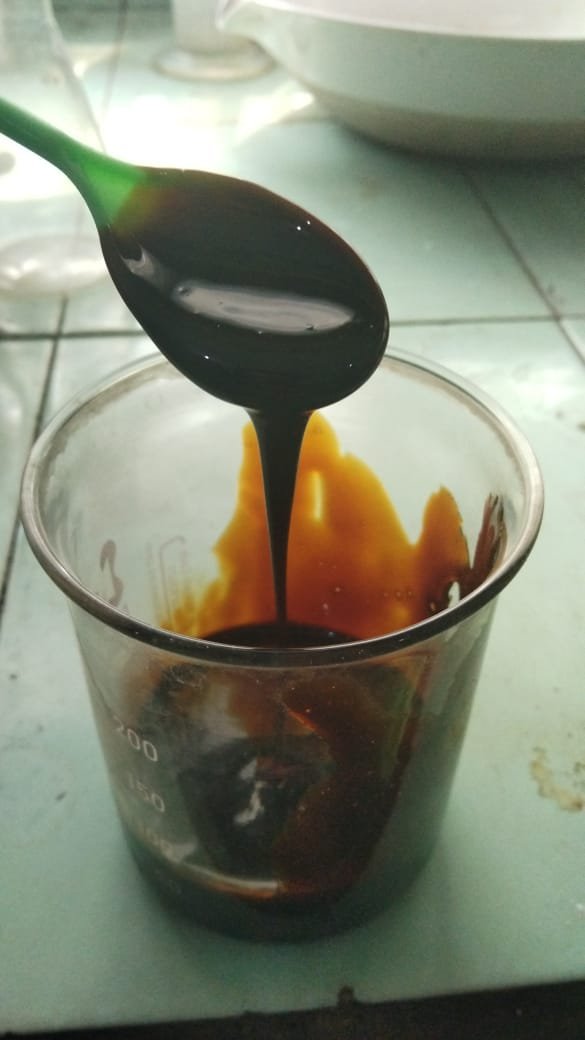
A distributor searching for a feed grade molasses supplier for Japan usually needs to answer two different questions: whether the material is suitable for the customer’s feed application, and whether the supply arrangement can support repeat purchasing. A promising sample does not answer every logistics question, while a competitive shipment quotation does not establish product suitability.
The practical approach is to qualify the product and the supply process together. Bring the customer’s technical requirements into the conversation, identify the information required for approval, and plan how a trial will be reviewed. This guide focuses on that sequence for distributors considering Indonesian sugarcane molasses for feed customers in Japan.
Start with the feed customer’s objective
Sugarcane molasses is used in animal feeding as a source of energy and as a binder in compound feed. The Feedipedia sugarcane molasses reference describes these roles and the variability of the material. Those general uses do not replace an assessment of the particular product and the customer’s formulation.
Ask the customer why molasses is being considered. The answer may relate to an existing ingredient requirement, a formulation review, or a new supply option. Each situation calls for a different trial brief. Avoid treating a request for an alternative supplier as permission to change the customer’s approved material without review.
Identify who approves the ingredient and who approves the supplier. These decisions may involve different people. A distributor can reduce delays by collecting the technical questions before asking the exporter for a commercial quotation.
Turn a broad inquiry into an approval brief
A useful brief explains the intended application, the receiving site, the preferred packaging, and the documents the customer expects to review. It should also identify which requirements are essential and which are preferences. This distinction helps the supplier provide a focused response.
If the customer already has an internal purchasing specification, request permission to share the relevant requirements. Where information is confidential, summarize the acceptance criteria that the supplier needs to address. Do not substitute a generic internet specification for the customer’s actual approval requirements.
The brief should include the planned decision sequence. For example, the customer may wish to review the available analysis before receiving a sample, then discuss a trial shipment after internal testing. Sharing that sequence helps avoid arranging material before the necessary review has taken place.
Request a clearly identified sample and COA
Ask the supplier how the sample relates to the material being offered. Record its identification, sampling information where available, and any accompanying analysis. The customer should understand whether it is evaluating a reference sample or material linked to a proposed batch.
A COA review should address the parameters relevant to the customer’s process and the methods used to determine them. If terminology differs between the supplier’s document and the customer’s requirements, clarify it before approval. Similar headings do not always mean that results can be compared directly.
Keep the original document in the supplier file and record questions separately. When the supplier provides a corrected or additional document, retain the earlier version with an explanation. This creates a clear decision history for the distributor and the customer.
Do not turn a sample result into a blanket guarantee
Agree what will apply to the proposed supply arrangement after the sample stage. The purpose is to establish a shared understanding of acceptable material and the supporting information, rather than to assume that every shipment will reproduce a reference sample exactly.
Ask how changes will be communicated. If the available material or proposed packaging differs from the reviewed offer, the distributor needs time to check the effect on customer approval. This is particularly important when several customers are evaluating the material simultaneously.
Review the Japan feed context with the importer
Japan’s Ministry of Agriculture, Forestry and Fisheries provides feed safety information for manufacturers, importers, and distributors. Use the feed-specific materials and confirm the requirements applicable to the actual product and intended use with the responsible importer.
Separate that review from the supplier’s marketing statements. Ask which party will check the relevant conditions and which information the exporter needs to provide. Resolve outstanding documentation questions before committing to a shipment schedule.
The distributor should also coordinate the end customer’s own approval process. Do not assume that completion of the import review means the customer has accepted the material for its application. Treat those as related but distinct steps in the purchasing plan.
Plan receipt and handling before dispatch
A receiving plan should describe where the material will arrive, which equipment will be available, and who is responsible for unloading and storage. Provide the supplier with the details needed to discuss packaging. Moltara offers discussions around flexibags, IBC tanks, and drums, with the final arrangement confirmed for the transaction.
Consider how the customer will move the material from receipt into its normal operation. If a distributor handles onward delivery, identify any additional handling stage and the party responsible for it. The plan should reflect the actual route to the customer rather than ending at the arrival port.
Ask the logistics provider to confirm the practical arrangements and any requirements specific to the selected packaging. Document the agreed responsibilities alongside the commercial terms so both sides work from the same version.
Evaluate the trial with a simple scorecard
Define the trial questions before the shipment. The customer may want to assess product fit, receiving procedures, documentation, or communication. Assign an owner to each question and agree when feedback will be available.
A scorecard can record the expected outcome, the observation, and the next action. Keep factual observations separate from assumptions about cause. For example, a delay in unloading should be investigated through the receiving plan rather than automatically described as a product-quality problem.
Review the results with the supplier before increasing the order commitment. If an issue remains unresolved, agree the additional information or trial work needed. A repeat order should follow a documented decision, not simply the absence of an immediate complaint.
Move from trial demand to a purchasing schedule
After qualification, distinguish a confirmed order from an indicative forecast. Share the expected timing of customer demand and identify when it will be firm enough for a purchasing commitment. This allows both parties to discuss supply planning without presenting a forecast as a guarantee.
Agree the normal process for quotations, approvals, shipment updates, and changes. Identify the contact responsible for technical questions and the contact responsible for commercial decisions. A distributor serving several sites should specify which instructions apply to each receiving location.
Review the arrangement after the first repeat deliveries. The aim is to make ordering and communication more predictable while retaining the ability to address changes in customer requirements.
Frequently asked questions about feed molasses sourcing
Can a distributor request documentation before a trial?
Yes. Explain the application and request the available COA and relevant product information. Ask what additional information can be provided for the proposed batch or shipment before the customer completes approval.
Does feed grade mean suitable for every formulation?
No. The grade name is a starting point for discussion. The customer’s qualified technical team should assess the material against the intended formulation and its approval requirements.
Is local Japanese inventory included?
Moltara is based in Indonesia and is developing partnerships for Japan. Local inventory, destination handling, and delivery arrangements are not implied and must be confirmed separately.
Request feed grade molasses information from Moltara
Review Moltara Feed Grade and send your intended application, company details, packaging preference, and destination through our COA and supply inquiry form. Provide an email address or telephone number for follow-up.
If your customer is evaluating several offers, our molasses COA and quotation checklist can help organize the comparison before a trial order.
Compare molasses sourcing routes
Read our molasses factory vs distributor guide to clarify supplier roles, source information, and quotation requirements before ordering.
Discuss your supply requirements
Request a COA, explore a quotation, or introduce your distribution business.
Contact Moltara ↗