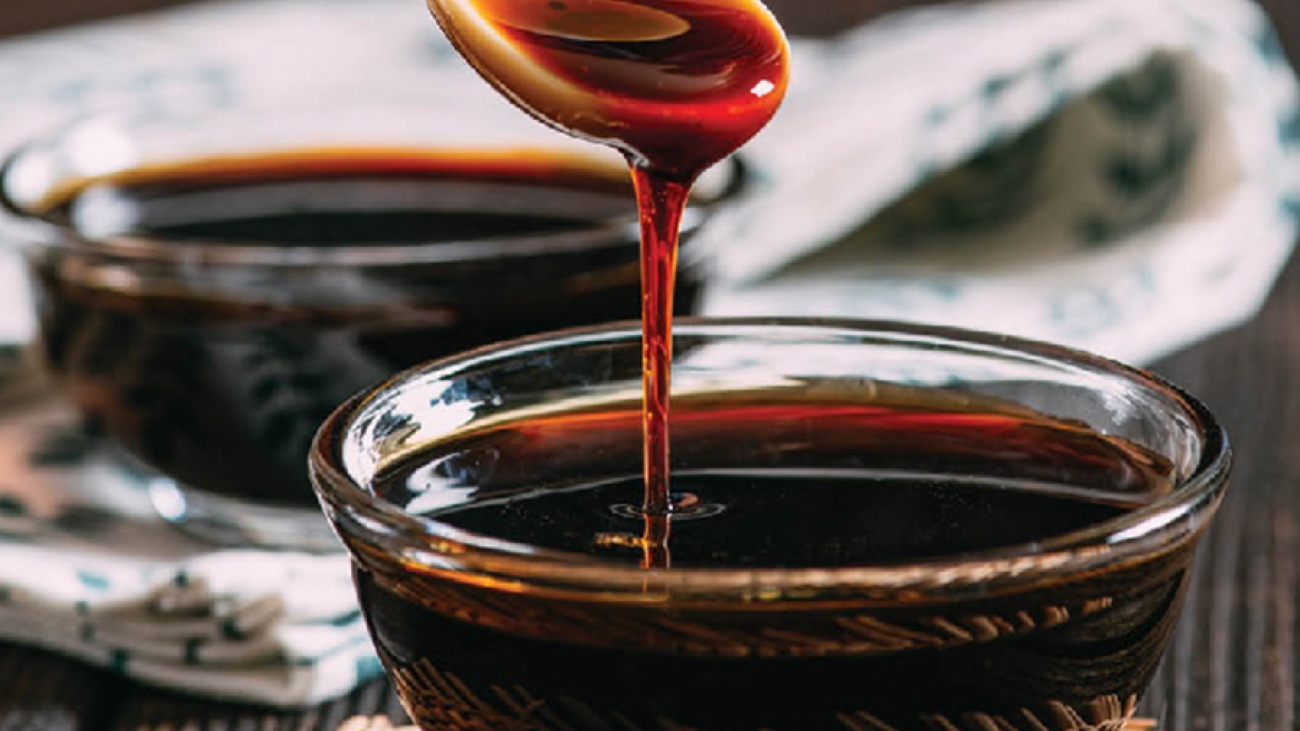

Feed Grade Molasses Sourcing: What Animal Feed Buyers Should Check

Molasses for Animal Feed: A Practical Procurement Guide

Why molasses is used in feed systems

Molasses may be used in animal feed formulations for functions such as energy contribution, palatability, binding, or dust control depending on the feed system. The exact use rate and formulation decision must be determined by qualified feed professionals.

For procurement teams, the first task is to confirm that the offered product and documentation are appropriate for the intended feed application.

Specification consistency

Feed manufacturers often care about repeatability because changes in solids, sugars, moisture, or viscosity can affect handling and formulation. Buyers should define their acceptance criteria and determine which parameters are reported on the COA.

If the supplier offers several grades, ask for a clear comparison rather than assuming all molasses is interchangeable.

Storage and pumping

Molasses is a viscous liquid and handling conditions affect pumping and transfer. Storage tank design, temperature conditions, unloading method, and cleaning procedures should be reviewed by the buyer’s engineering and quality teams.

The logistics plan should be discussed before the first commercial shipment.

Documentation and due diligence

Ask for product specifications, available certificates or statements, and export documentation relevant to your market. Claims such as feed grade, GMO-free, halal, or other certifications should be accepted only when supported by current documents.

This protects both buyer and supplier from misunderstanding.

Trial before scale

For a new source, a sample or trial shipment can help the technical team validate handling and formulation performance. Define the approval process before placing recurring orders.

A disciplined trial is especially useful when replacing an existing supplier.
MOLTARAindo_MolassesFactoryvsDistributor_2ndarticle_OKT'26

Molasses Factory vs Distributor: What International Buyers Should Ask Before Sourcing

Molasses Factory or Distributor: Choosing the Right Supply Model

The supply chain matters

International buyers often search for a molasses factory or a molasses distributor as if one model is always superior. In practice, the right structure depends on volume, target specification, frequency of purchase, destination, and the level of service required.

A distributor may provide flexibility, while a producer or direct source may offer a closer relationship with manufacturing or quality control. The buyer needs to understand the actual chain.

Questions about product origin

Ask where the molasses originates, how batches are controlled, whether multiple sources are blended, and how consistency is maintained. These questions are more useful than relying on labels such as factory-direct.

For regulated applications, verify supporting documents and statements rather than assuming they apply to every grade.

Commercial flexibility

Some buyers need full bulk shipments, while others require smaller or more frequent orders. Minimum order quantity, packaging, payment terms, and lead time should be evaluated against the buyer’s inventory strategy.

The lowest factory price may not be the lowest total cost if the order structure creates excess stock or handling expense.

Distributor support

For companies building a local market, a supplier that supports distributor relationships can add value through product information, documentation, sales materials, and a clear communication channel.

Territory, target customers, responsibilities, and lead handling should be discussed transparently.

Choose based on capability evidence

The best supply partner is the one that can demonstrate consistent specification, responsive communication, appropriate logistics, and realistic commercial terms.

Procurement teams should build a scorecard around these factors instead of relying on a single price comparison.

MOLTARAindo_IndonesiaMolassesSupplier_1starticle_OKT'26

Indonesia Molasses Supplier: A Buyer’s Guide to Sourcing for Feed, Food and Fermentation

How to Evaluate an Indonesia Molasses Supplier

Start with application, not only price

Molasses is used across multiple industries, and procurement requirements can differ significantly between animal feed, fermentation, food-related processing, distillery, and other industrial uses. A buyer should therefore begin with the intended application and target specification rather than asking only for a price per metric ton.

The supplier should be able to explain what product is being offered, what parameters can be documented, and how the material will be packed or shipped.

Clarify the specification

Common commercial discussions may include Brix, total sugars, sucrose, moisture, ash, viscosity, color, and other parameters depending on the application. Not every parameter is relevant to every buyer, so a clear specification sheet is the best starting point.

Ask which parameters are routinely tested and whether a COA is available for the offered grade.

Assess supply and quality control

International buyers need confidence that product quality can be maintained across repeated shipments. Discuss sourcing, blending or processing controls, sample approval, and the procedure used when a batch falls outside agreed criteria.

For a new supplier, a structured sample and document review can reduce risk before larger commercial orders.

Review packaging and export logistics

Molasses logistics depend on order size, destination, packaging, and port capability. Buyers should clarify available packaging, loading method, lead time, port of loading, shipping documentation, and destination requirements.

The landed cost should be evaluated together with product price, freight, handling, duties, and storage needs.

Build a procurement relationship

A reliable supplier should communicate clearly about what can and cannot be guaranteed. Long-term business is usually built around consistency, documentation, realistic lead times, and timely responses.

For distributors, market support and territory expectations should also be discussed early.