
Molasses for Animal Feed: A Practical Procurement Guide
Why molasses is used in feed systems
Molasses may be used in animal feed formulations for functions such as energy contribution, palatability, binding, or dust control depending on the feed system. The exact use rate and formulation decision must be determined by qualified feed professionals.
For procurement teams, the first task is to confirm that the offered product and documentation are appropriate for the intended feed application.
Specification consistency
Feed manufacturers often care about repeatability because changes in solids, sugars, moisture, or viscosity can affect handling and formulation. Buyers should define their acceptance criteria and determine which parameters are reported on the COA.
If the supplier offers several grades, ask for a clear comparison rather than assuming all molasses is interchangeable.
Storage and pumping
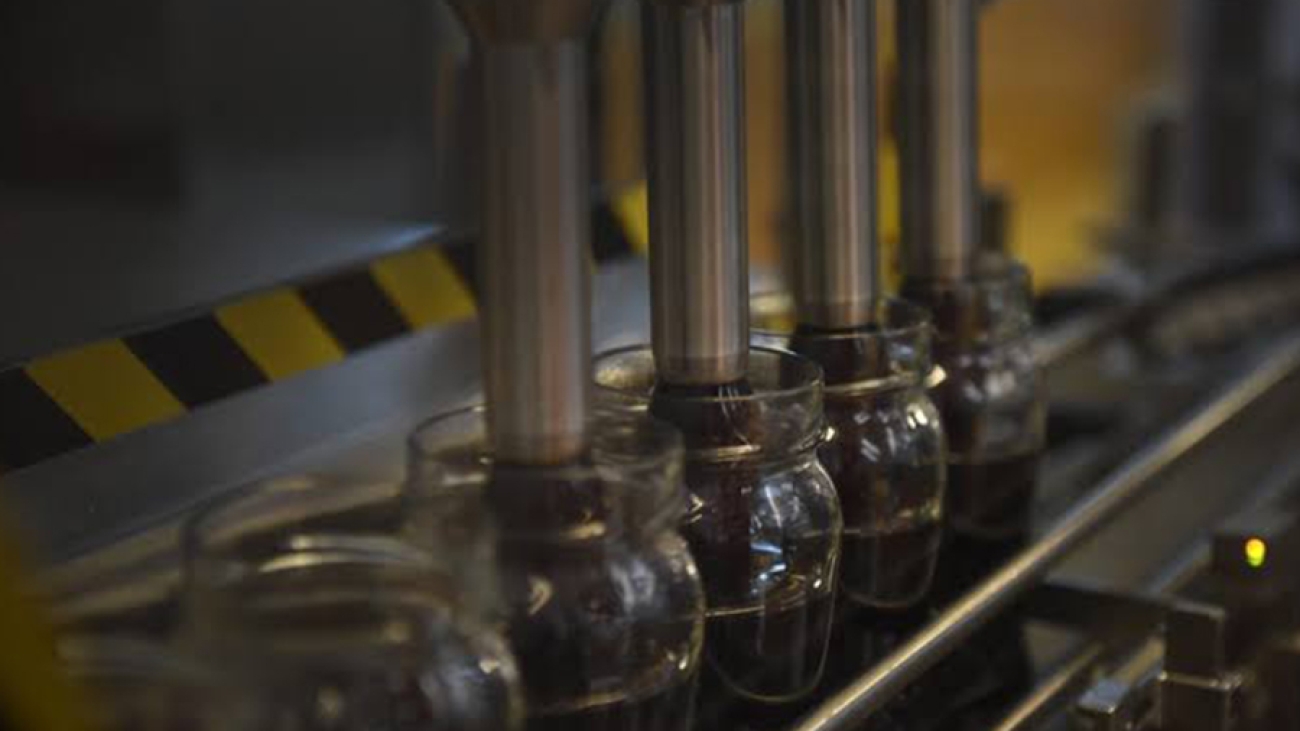
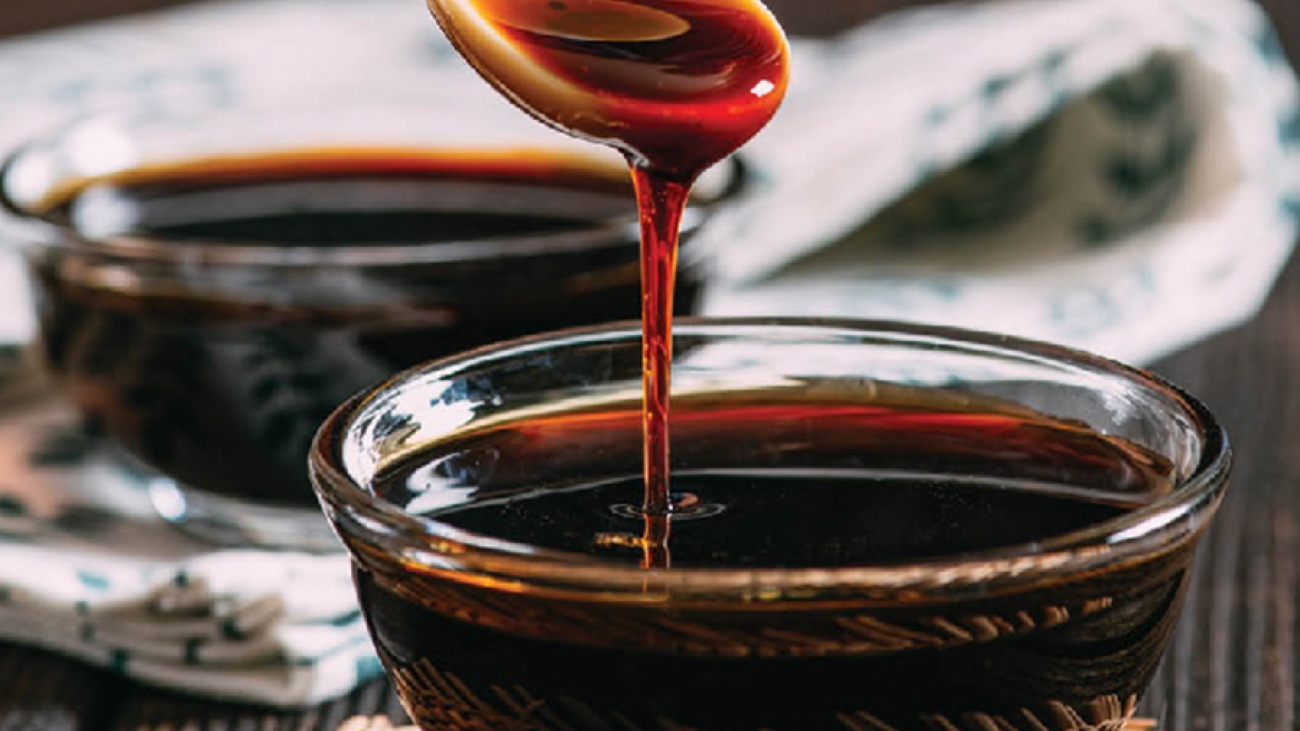
Molasses is a viscous liquid and handling conditions affect pumping and transfer. Storage tank design, temperature conditions, unloading method, and cleaning procedures should be reviewed by the buyer’s engineering and quality teams.
The logistics plan should be discussed before the first commercial shipment.
Documentation and due diligence
Ask for product specifications, available certificates or statements, and export documentation relevant to your market. Claims such as feed grade, GMO-free, halal, or other certifications should be accepted only when supported by current documents.
This protects both buyer and supplier from misunderstanding.
Trial before scale
For a new source, a sample or trial shipment can help the technical team validate handling and formulation performance. Define the approval process before placing recurring orders.
A disciplined trial is especially useful when replacing an existing supplier.