

MOLTARAindo_IndonesiaasaMolassesSourcingBase_8tharticle_OKT'26

Indonesia as a Molasses Sourcing Base: Due Diligence for Global Procurement Teams

Due Diligence When Sourcing Molasses from Indonesia

Why procurement teams diversify

Global buyers often review multiple origins to manage price, logistics, seasonality, and supply risk. Indonesia can be considered as part of that sourcing review where product specification and commercial conditions fit.

The correct decision should be based on documented capability rather than country-level assumptions.

Supplier identity and capability

Confirm the legal supplier, physical operating location, product source, quality-control process, export experience, and responsible commercial contacts. Ask for evidence relevant to the transaction.

Video calls, factory or facility visits, and third-party checks can be used according to the buyer’s risk policy.

Technical approval

Compare specifications, test methods, samples, and COAs. The technical team should document acceptance criteria before procurement negotiates long-term volume.

For critical applications, trial shipments can reduce changeover risk.

Commercial and logistics review

Assess Incoterms, payment terms, lead time, packaging, port, documentation, and claims process. Confirm who is responsible for each stage of the shipment.

Use landed cost rather than only supplier price to compare origins.

Risk management

Consider seasonality, weather, port congestion, currency, regulation, and alternative suppliers. Risk planning does not mean expecting failure; it means making the supply chain more resilient.

Clear communication and realistic forecasting support stronger supplier relationships.
MOLTARAindo_HowtoChooseaMolassesDistributorPartnerinYourMarket_7tharticle_OKT'26

How to Choose a Molasses Distributor Partner in Your Market

Building a Strong Molasses Distributor Partnership

Distribution is more than reselling

A good distributor creates market access, local communication, inventory support, and customer relationships. For industrial materials such as molasses, the partner may also need technical understanding and suitable storage or logistics capability.

The supplier and distributor should therefore qualify each other.

Market focus

Define which industries the distributor serves: animal feed, fermentation, food processing, distillery, or other sectors. A focused partner can often provide better market feedback than a general trader with no clear customer base.

Discuss territory and customer ownership to avoid channel conflict.

Operational capability

Review storage, unloading, transport, quality procedures, and document handling. If the distributor will hold inventory, stock management and contamination control become important.

Local regulatory knowledge also matters for import and resale.

Sales and marketing process

Agree how leads are handled, what product information can be used, and which claims are approved. Suppliers should provide accurate technical material, while distributors should provide realistic market feedback.

Regular reporting helps both sides prioritize opportunities.

Start with measurable objectives

A partnership can begin with target customers, sample activity, forecast, and a defined review period. This creates a more practical foundation than broad exclusivity discussions before any sales history exists.

Long-term distribution works best when both sides can measure contribution.

MOLTARAindo_BulkMolassesExportLogistics_6tharticle_OKT'26

Bulk Molasses Export Logistics: Packaging, Loading, Lead Time and Destination Planning

Planning an International Molasses Shipment from Indonesia

Logistics should be discussed before the purchase order

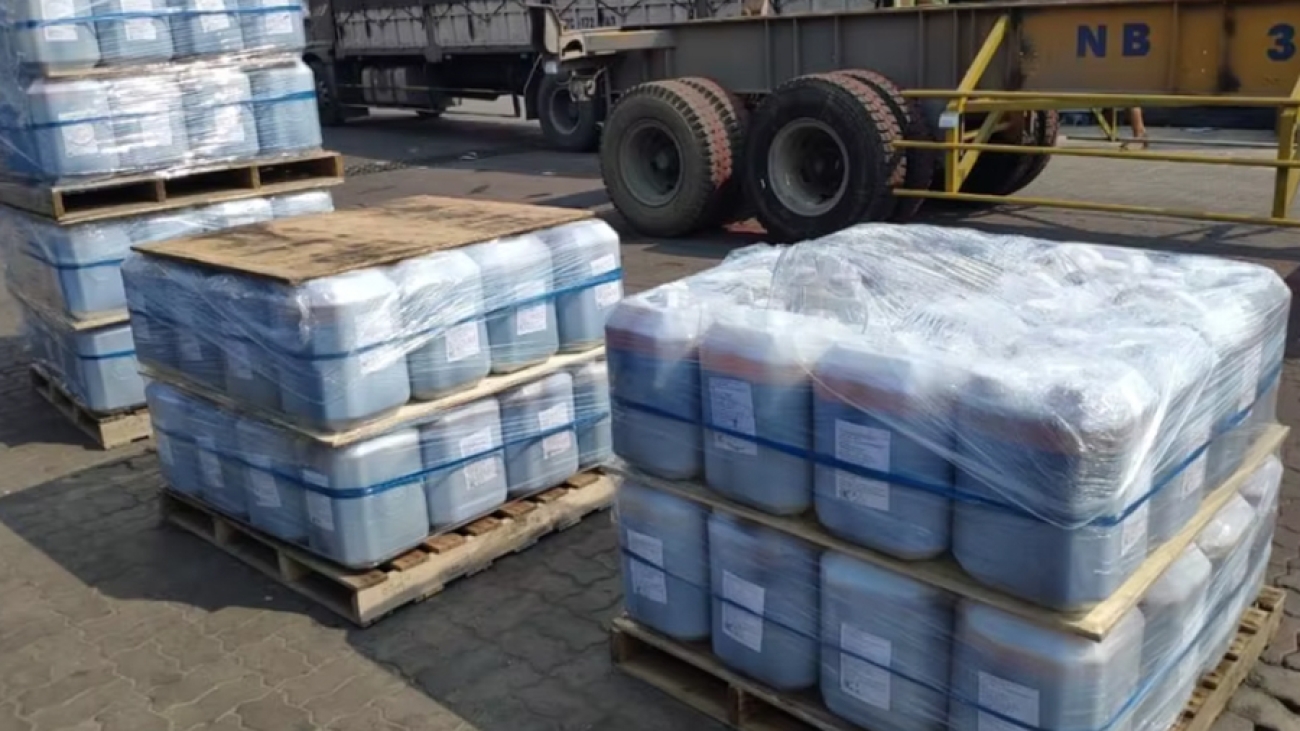
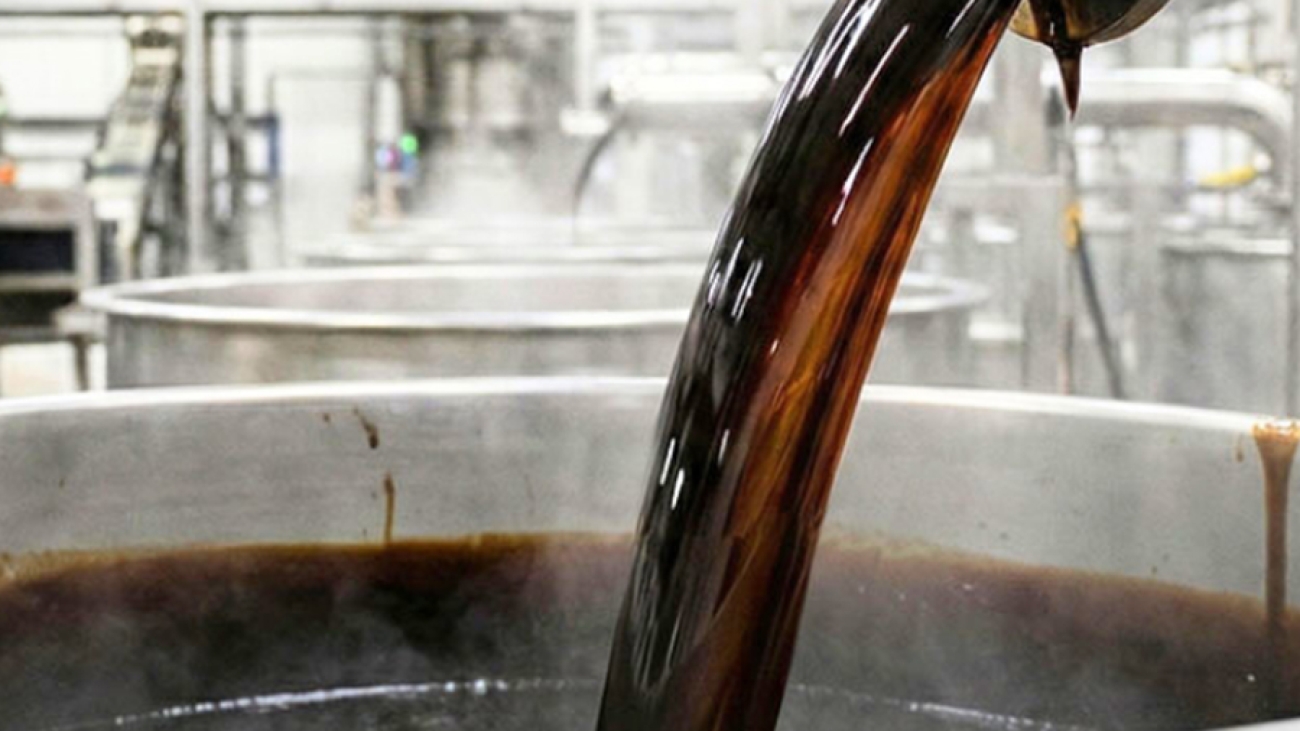
Molasses is a dense and viscous liquid, so packaging and transport decisions affect cost, handling, and receiving operations. Buyers should discuss logistics early rather than waiting until the product is ready.

The correct arrangement depends on order volume, destination, local infrastructure, and the buyer’s storage system.

Packaging and loading options

Suppliers may offer different packaging or bulk loading options depending on capability. Buyers should confirm net weight, container or tank configuration, loading method, and any temperature or handling requirements.

Never assume a packaging option is available until it is confirmed in the quotation.

Lead time

Lead time can include product preparation, quality release, packaging, trucking, port handling, and vessel schedule. International buyers should build buffer into procurement planning.

For recurring supply, forecast sharing can improve coordination.

Documents

Required documents depend on the destination and application. Commercial invoice, packing list, certificate of origin, COA, SDS, health or other certificates may be requested depending on the transaction.

The buyer should verify import requirements with local authorities or customs professionals.

Think in landed cost

FOB or ex-factory price is only one part of the comparison. Freight, insurance, duties, port fees, storage, demurrage, and inland delivery can materially change the final cost.

A strong sourcing decision compares total delivered value and supply risk.

MOLTARAindo_Brix,TotalSugarsandSucroseinMolasses_5tharticle_OKT'26

Brix, Total Sugars and Sucrose in Molasses: A Buyer-Friendly Explanation

Understanding Key Molasses Specification Terms

Why buyers should understand the terminology

Molasses quotations often contain values for Brix, total sugars, sucrose, moisture, or related parameters. These numbers describe different aspects of the material and should not be treated as interchangeable.

Understanding the basic terminology helps procurement teams ask better questions and avoid comparing two offers that were tested using different methods.

Brix

Brix is commonly used as an indication related to soluble solids. The meaning of a reported value depends on the analytical method and product matrix, so buyers should review the specification and test method used by the supplier.

A Brix number alone does not describe the full sugar profile.

Total sugars

Total sugars refers to a measure of sugar content based on the analytical method used. Different laboratories or specifications may use different reporting conventions.

Buyers should confirm the basis of reporting before comparing suppliers.

Sucrose

Sucrose is one specific sugar and may be monitored separately from total sugars. The importance of sucrose depends on the application.

For fermentation or food-related uses, the technical team may require additional parameters beyond sucrose.

Use the COA as a decision tool

A COA is most useful when compared against an agreed specification. Procurement should know which parameters are pass/fail, which are informational, and what action is taken if a result falls outside the target range.

This creates a clearer quality relationship between buyer and supplier.

Feed Grade Molasses Sourcing: What Animal Feed Buyers Should Check

Molasses for Animal Feed: A Practical Procurement Guide

Why molasses is used in feed systems

Molasses may be used in animal feed formulations for functions such as energy contribution, palatability, binding, or dust control depending on the feed system. The exact use rate and formulation decision must be determined by qualified feed professionals.

For procurement teams, the first task is to confirm that the offered product and documentation are appropriate for the intended feed application.

Specification consistency

Feed manufacturers often care about repeatability because changes in solids, sugars, moisture, or viscosity can affect handling and formulation. Buyers should define their acceptance criteria and determine which parameters are reported on the COA.

If the supplier offers several grades, ask for a clear comparison rather than assuming all molasses is interchangeable.

Storage and pumping

Molasses is a viscous liquid and handling conditions affect pumping and transfer. Storage tank design, temperature conditions, unloading method, and cleaning procedures should be reviewed by the buyer’s engineering and quality teams.

The logistics plan should be discussed before the first commercial shipment.

Documentation and due diligence

Ask for product specifications, available certificates or statements, and export documentation relevant to your market. Claims such as feed grade, GMO-free, halal, or other certifications should be accepted only when supported by current documents.

This protects both buyer and supplier from misunderstanding.

Trial before scale

For a new source, a sample or trial shipment can help the technical team validate handling and formulation performance. Define the approval process before placing recurring orders.

A disciplined trial is especially useful when replacing an existing supplier.